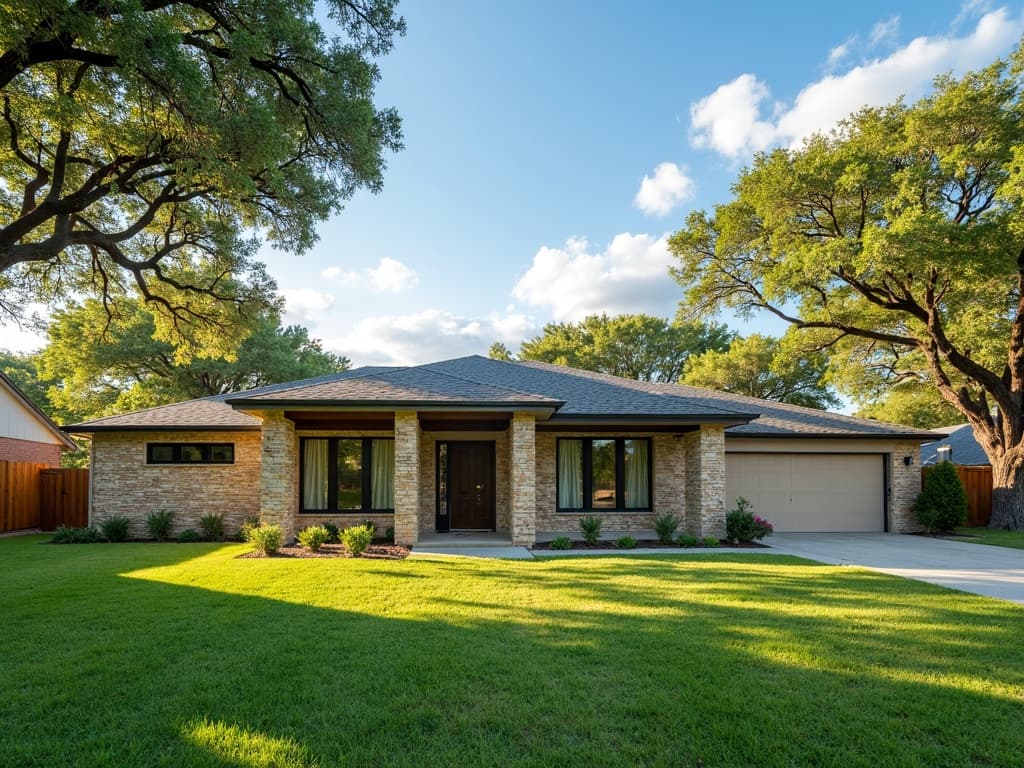
Austin Spring 2026 Seller Playbook: How to Get Top Dollar in a Balanced Market
Companion piece to our Austin Spring 2026 Market Update. If you haven't read that one yet, start there for the big picture, then come back here for the seller-specific moves.
The frenzy years are over. If you're selling a home in Austin this spring, you're operating in a balanced market for the first time in a while, and the strategies that worked in 2021 and 2022 will actively cost you money now. Listing high and hoping is no longer a strategy. Letting buyers waive inspections is no longer expected. Bidding wars on dirty, unstaged homes are no longer happening.
The good news: well-prepared, well-priced homes are still moving fast. Often within the first two weeks. The Austin market still has strong fundamentals, the buyers are out there, and they have money. They're just being thoughtful about how they spend it.
Here's how to be the home that sells.
1. Price Right the First Time. Period.
This is the single most important sentence in this entire post: the first 14 days on the market are the most valuable, and pricing wrong burns them.
When a home hits the MLS, every active buyer in your area gets a notification. Their agents pull comps. They tour the listings that match their criteria within the first week. If your home is priced right, it gets seen, it generates showings, and it generates offers. If your home is priced even slightly high, the same buyers see it, mentally cross it off, and move on. By the time you reduce the price three weeks later, those buyers are under contract on something else.
The temptation to "test the market" with a high price is the costliest mistake sellers make in 2026. Homes that are priced accurately on day one are selling for closer to list price than homes that take a price reduction later, even if the eventual reduction matches the original "right" price. The data on this is clear and consistent. Your first 14 days are gold. Don't waste them.
Work with your agent to nail the price using:
- Most recent 60-day comps in your specific neighborhood (not city-wide)
- Active competing listings (your real competition is who buyers are choosing between)
- Recent expired and withdrawn listings (these tell you what's overpriced right now)
- Days-on-market trends in your zip code
If your agent is reluctant to have an honest pricing conversation, that's a red flag.
2. Pre-Listing Prep That Actually Moves the Needle
Not all home prep is created equal. In a balanced market, the homes that show beautifully sell for more, and the homes that show poorly sit. The ROI on prep work is real, but you have to spend on the right things.
High ROI:
- Professional photography (non-negotiable in 2026)
- Deep clean, including baseboards, windows, light fixtures
- Declutter aggressively (rent a storage unit if you have to)
- Fresh paint on any walls with color, scuffs, or dated tones
- Curb appeal: pressure wash, fresh mulch, trim the bushes, fix anything that looks tired
- Stage at least the living room, primary bedroom, and dining area (even partial staging beats no staging)
Medium ROI:
- Replace dated light fixtures and cabinet hardware
- New kitchen cabinet paint (if cabinets are functional but dated)
- Refresh landscape beds in front yard
Low ROI / skip it:
- Major kitchen or bathroom renovations right before listing
- Adding square footage
- High-end finishes that don't match the rest of the home
- Pool installation
- Expensive smart home upgrades
The rule of thumb: spend on presentation, not on improvements. Buyers in this market are looking for a clean, move-in-ready home at a fair price. They're not looking for the seller to renovate their dream kitchen.
3. Use Concessions Strategically
This is the tool sellers in 2026 are sleeping on. Buyer concessions and rate buy-downs are quietly the most effective negotiating lever in a balanced market.
Here's the math. If you list at $600,000 and a buyer asks for a $20,000 price reduction, you net $580,000 and your buyer's monthly payment drops by maybe $120 (depending on rate). But if you instead offer $20,000 in seller credits toward a 2-1 rate buy-down, you still net $580,000, your buyer's first-year payment drops by $400 to $500 per month, and the buyer feels like they got a much better deal. Their monthly is what they actually feel. Yours is a one-time cost either way.
Train yourself to think in concessions and credits, not just price. It opens up offers that wouldn't otherwise work and often nets you the same or better than a straight price drop.
4. Be Ready to Negotiate Inspection Items
Inspections are back. Buyers are using them as a real negotiating tool, and you should expect a repair request or credit ask after the inspection contingency period. Don't take it personally and don't let it derail the deal.
Your agent should help you triage:
- Safety items: usually fix or credit (electrical hazards, structural issues, etc.)
- Functional items: usually fix or credit (HVAC, water heater, plumbing leaks)
- Cosmetic items: usually decline (paint chips, minor scuffs)
- Aging items: usually decline (a 10-year-old water heater isn't broken, it's just old)
Decide in advance how much you're willing to give back in inspection negotiation. Most deals in this market settle in the $2k to $8k range of credits or repairs. Building that into your mental list price up front means you don't feel blindsided.
5. Marketing Without the Frenzy
In 2022, homes practically sold themselves. In 2026, marketing actually matters again. Make sure your listing has:
- 25+ professional photos minimum, ideally with twilight shots and drone if appropriate
- Video walkthrough or virtual tour (Matterport, RICOH, etc.)
- Compelling, specific listing description (not "stunning gem in great location")
- Featured placement on the MLS, Zillow, Realtor.com, Redfin
- Open houses for the first 1-2 weekends
- Social media exposure through your agent's network
- Targeted neighbor outreach if appropriate
If your agent's marketing plan is "we'll list it on the MLS and see what happens," you need a different agent.
6. Know When to Take the First Offer
This is counterintuitive after years of multi-offer madness, but in a balanced market, the first offer is often the best offer. The buyers who write quickly are the buyers who already saw your home and decided. The buyers who show up three weeks later are typically working through indecision, looking at multiple options, and writing weaker offers.
Don't reflexively counter every first offer just because it's not full price. Ask:
- Is this buyer pre-approved with a real lender?
- How motivated do they seem (closing date, contingencies, earnest money amount)?
- What's their down payment situation (cash and conventional are stronger than FHA/VA in this market)?
- What's the spread between the offer and where you'd accept?
If the spread is reasonable and the buyer is solid, take it or counter once. Don't let perfect be the enemy of done.
7. Have a Plan B
Not every home sells in two weeks. If yours doesn't, have a clear plan for what changes at day 14, day 30, and day 60. Common moves:
- Day 14 with no offers: check showing feedback, refresh photos if needed, reduce price 2-3% if the data supports it
- Day 30: more meaningful price reduction (5-7%), maybe re-evaluate staging or curb appeal
- Day 60: consider taking the listing off the market, refreshing, and re-listing in 60 days as new
A clear plan prevents the slow, demoralizing drift that catches sellers who don't have one. The market gives you signals; have decision rules ready for what to do with them.
Thinking About Selling This Spring?
Z Realty helps Austin sellers work through exactly this kind of market. We pull real neighborhood comps, build a pricing strategy that actually nails the first 14 days, and walk you through every concession decision so you net the most you possibly can. Reach out. We'd love to talk through what your home is worth in today's market and how to position it to win.
Related reading:
- Austin Spring 2026 Market Update: What Buyers and Sellers Need to Know
- Austin Spring 2026 Buyer Playbook: How to Win in a Balanced Market
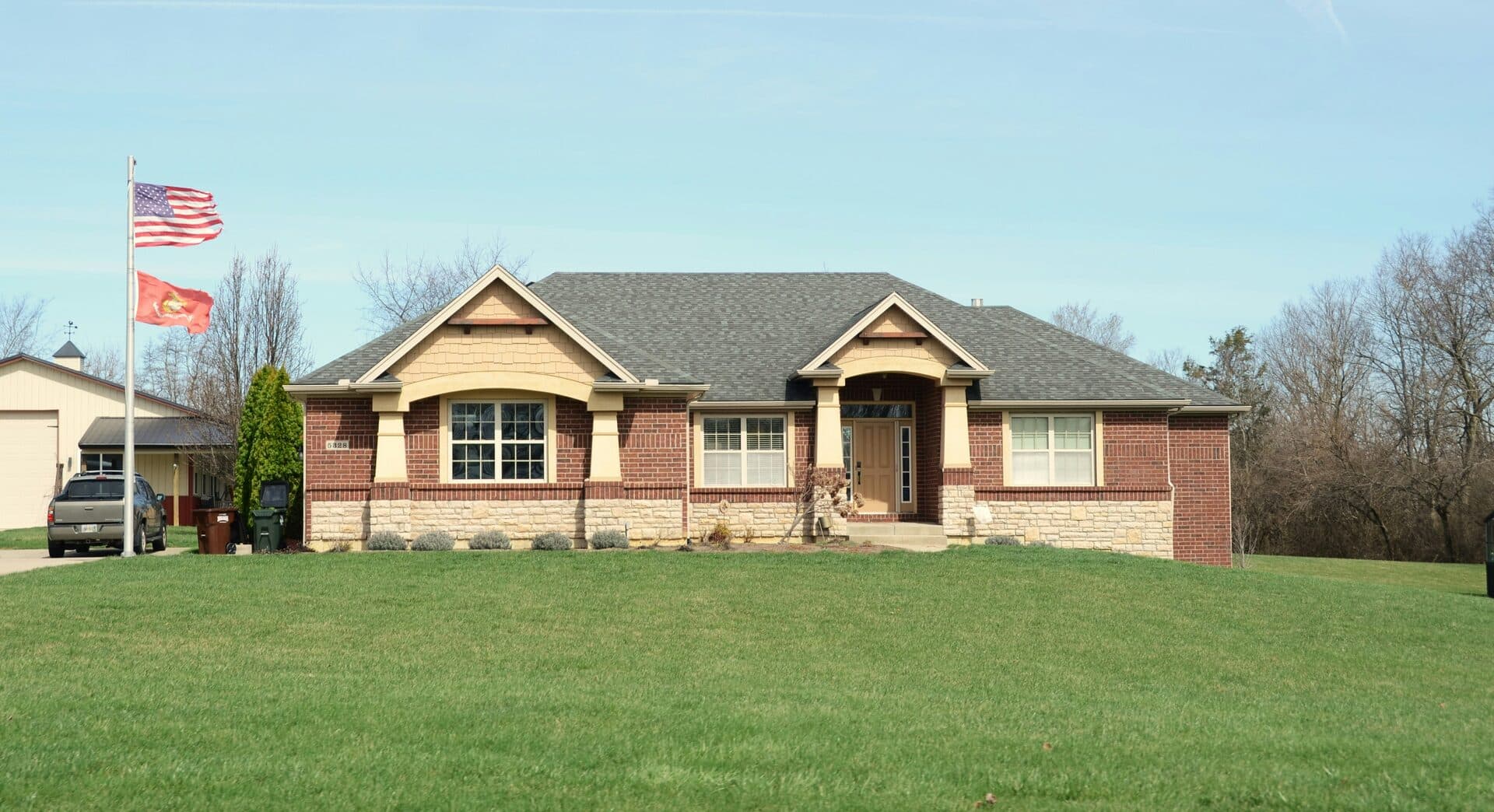
Hero photo by Roger Starnes Sr on Unsplash.