Your Dog Wants a Bigger Yard: What Yard Space Actually Costs Around Austin
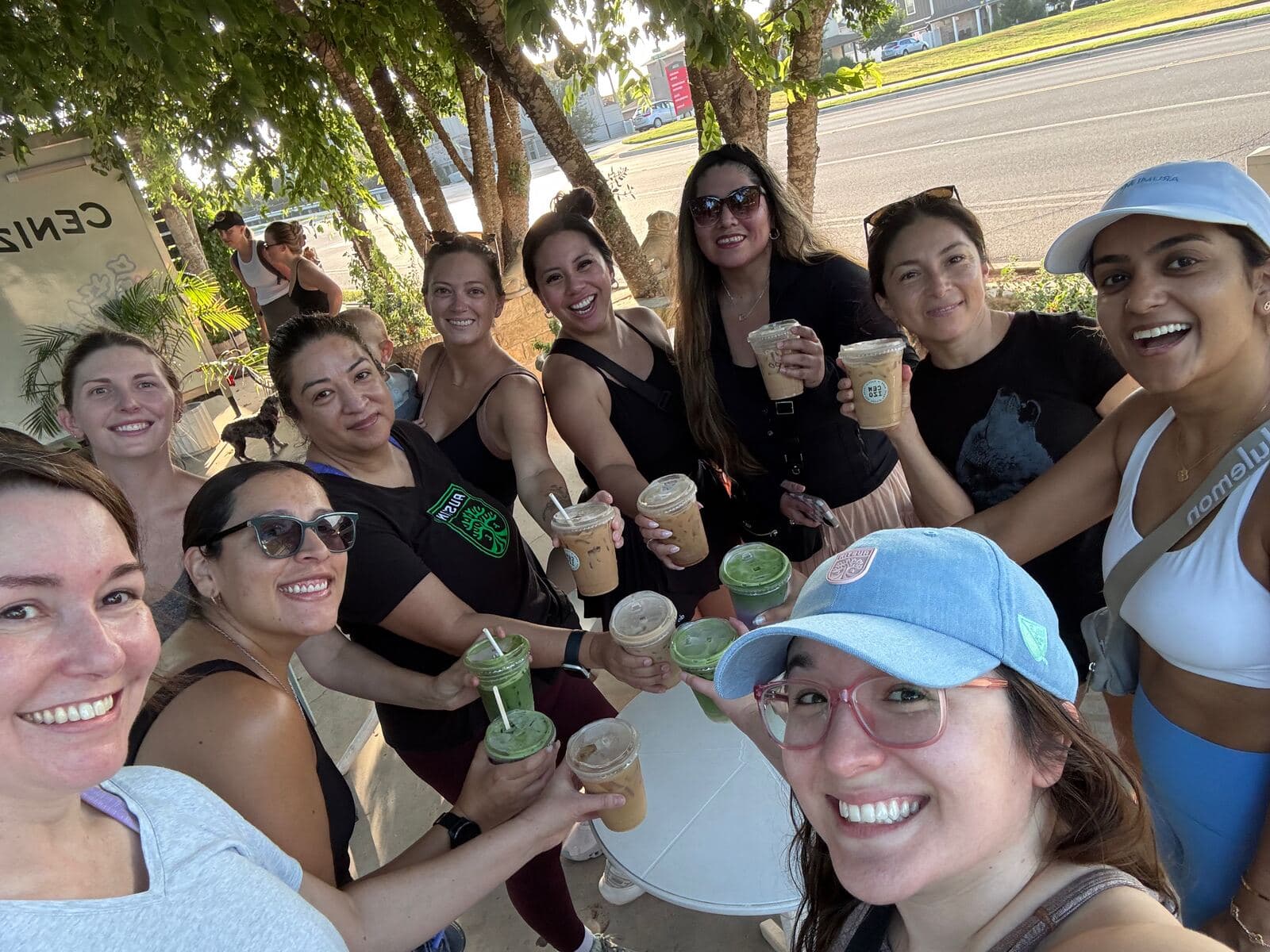
We ran an International Dog Day event on August 22. I put exactly one question on the sign-up form, because nobody wants to fill out a survey at a party.
The question was: what would your dog choose?
Forty-eight people signed up. Fifteen of them picked "bigger yard." It was the most popular answer, ahead of more walks, more treats, and, from four honest people, another dog.
That is not a scientific survey and I am not going to dress it up as one. But it lines up with what the National Association of Realtors has found in its own research: about one fifth of recent home buyers said they considered their pet when deciding what neighborhood to live in.
Neighborhood. Not house. That distinction is the whole post, because around Austin yard space is not a feature you add later. It is a location decision, and one of the few things about a house you genuinely cannot change after you close.
Why Lots Inside Austin Keep Getting Smaller
This is not your imagination and it is not a builder being cheap. It is the code.
The standard minimum residential lot size in the City of Austin is 5,750 square feet. In May 2024 the city adopted the second phase of its HOME amendments, which allow one unit on lots as small as 1,800 square feet, with applications opening in August 2024 and city wide that November.
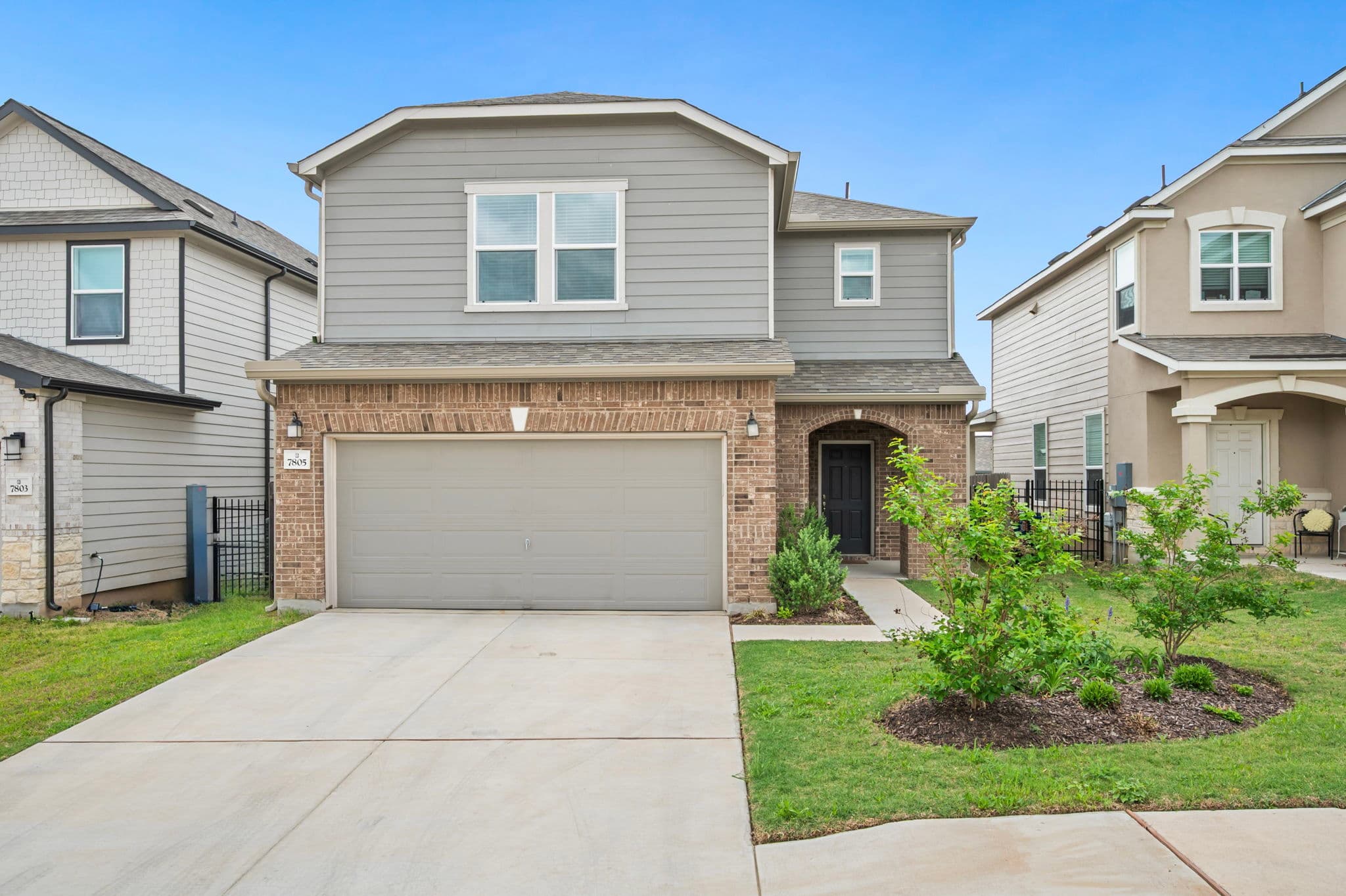
There are good arguments for that policy and I am not making them here. What matters to you is the practical effect. Inside the city, a new lot can now be roughly a third of what the old floor was, and an 1,800 square foot lot with a house on it does not leave a yard. It leaves a side setback and a patio.
So if the yard is the thing you are buying, the search starts with a map, not a house.
Where the Land Is, and What It Costs
The honest version is that around Austin you buy yard with drive time. Here is the price ladder, using the July 2026 Central Texas Housing Report from Unlock MLS and the Austin Board of Realtors, published August 11:
- Travis County: median sale price $520,000
- Austin-Round Rock-San Marcos metro overall: $435,000
- Williamson County: $415,000
- Hays County: $367,700
- Bastrop County: $346,140
- Caldwell County: $254,000
Those are county medians for all homes, not a lot size ranking, and I want to be precise about that. What they show you is the shape of the trade: the further you get from the Travis County core, the more house the same dollar buys.
But Moving Out Does Not Automatically Buy You Yard
This is the part I most want you to take away, because almost every "move to the suburbs for a bigger yard" article gets it wrong.
The ring cities do have big lot districts. They also have small lot districts, and several of them go smaller than what Austin's old standard was.
Hutto is the cleanest example, because it is all in one table in the city's own development code. Hutto's SF-R district requires a minimum lot of 87,120 square feet, which is two acres. Its SF-2 district requires 4,500 square feet. Same city. Same code. A lot nineteen times the size of another one, depending only on which district a subdivision was zoned into.
So driving thirty minutes east or north does not hand you a yard. It hands you a wider range of possible yards, and which one you get is decided by the zoning district and the plat, not the city limit sign. Two subdivisions on the same road in the same town can be completely different products.
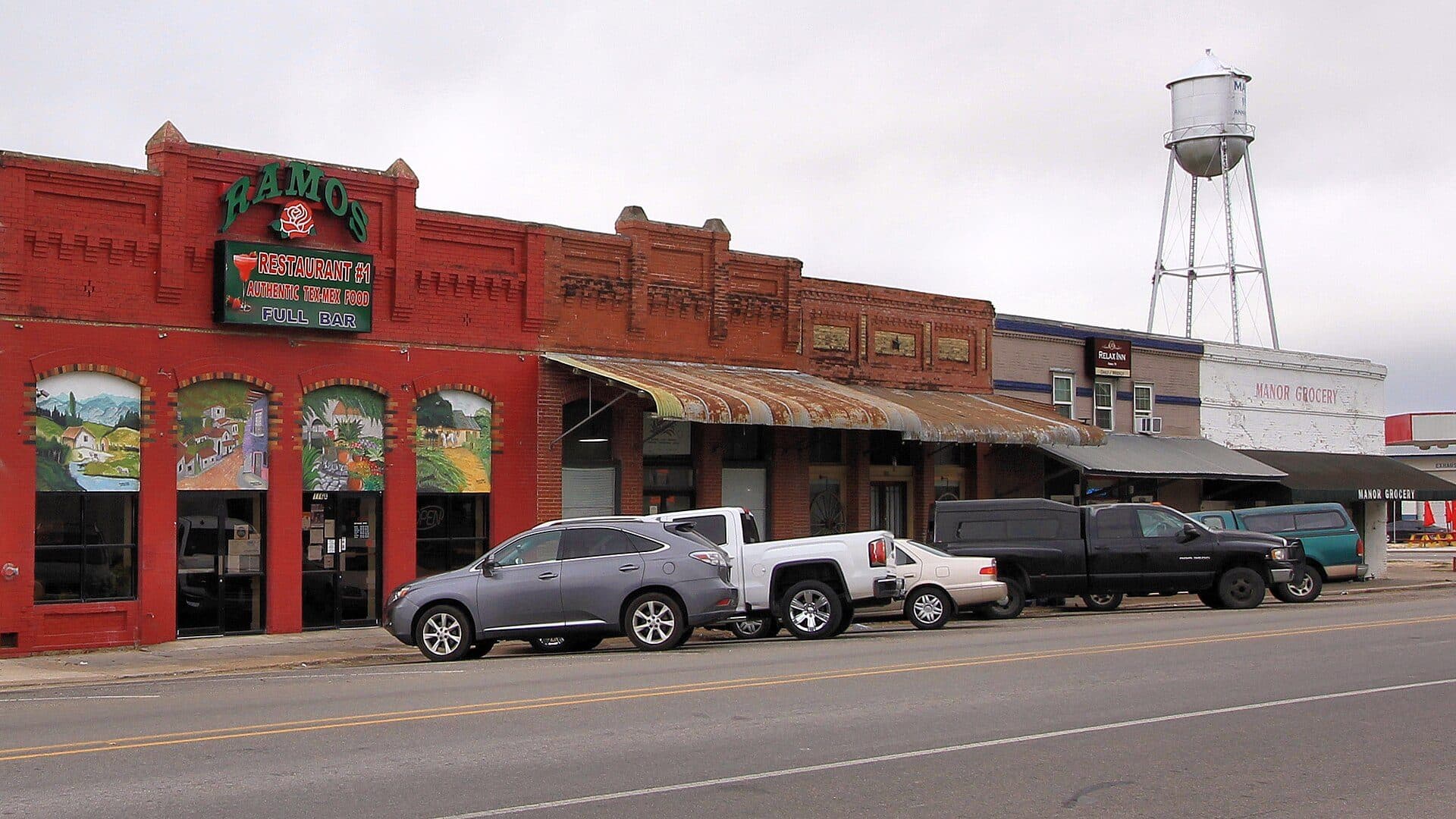
For a sense of what a big new production lot actually measures, here is a published number rather than a vibe. The Eastwood community announced in Manor in early September 2026, planned at 1,335 homes with Taylor Morrison building, is reported with lot widths of 45 to 70 feet and homes priced from $400,000 to $600,000. That is roughly the upper end of production builder lot width around here. It is a real backyard. It is not an acre.
If you want an acre, you are having a different conversation, and it changes the house.
The Line Where a Big Yard Changes the Whole House
This is the part almost nobody explains, and it is the most useful thing in this post.
Once you get past the edge of city utilities, Texas rules about water and sewage start dictating how big your lot has to be. Not how big you want it. How big it has to be.
Septic. Under the Texas Administrative Code, a subdivision of single family homes platted after the rule took effect and using individual on-site sewage facilities must have lots of at least half an acre if it is served by a public water supply, and at least one acre if it is not.
Wells, in Travis County specifically. Travis County's groundwater availability regulation is stricter. For residential subdivisions relying on groundwater, all lots supplied by individual water wells must be at least 5 acres. If supplied by a centralized groundwater system, lots must be at least 3 acres, or the number of lots cannot exceed the acreage divided by four.
That explains the thing buyers find confusing when they start shopping the edges of the metro. There is a real gap between a large subdivision lot and true acreage, and it exists because of water and sewage rules, not because builders decided so.
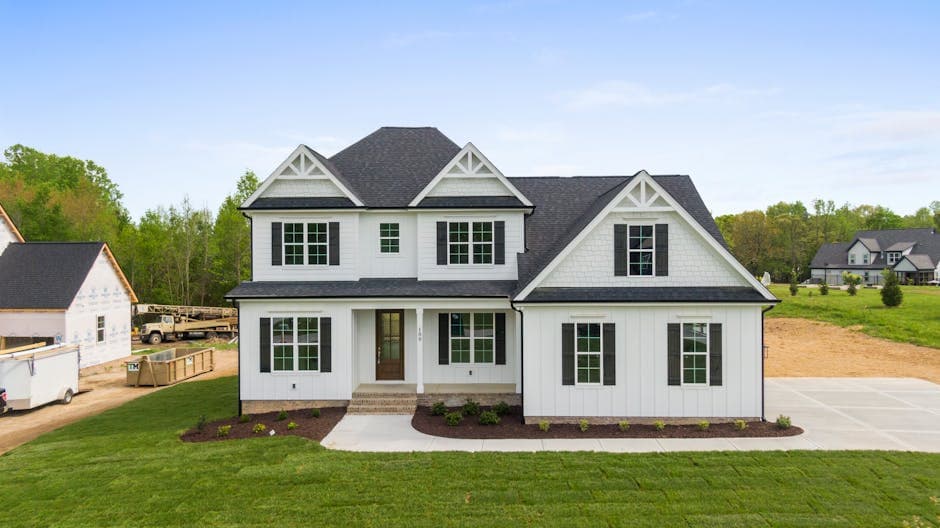
What it means for you: a half acre or more usually means septic, which is a system you maintain, inspect, and eventually replace. Five acres in parts of Travis County frequently means a private well, which is worth its own inspection and its own water test. And in between, plenty of newer master planned communities give you a genuinely usable fenced backyard on public water and public sewer. For most dog owners that last one is the actual answer, and it is a lot less complicated than an acre.
What You Trade for the Yard
Nobody gets the land for free.
The commute, priced honestly. Not the Sunday afternoon drive while you are touring. The Tuesday 7:45am drive. Do it before you write an offer.
Tolls, if the yard is east. The 290 Toll runs six miles from US 183 to SH 130 and stops there. For a two axle car, the Mobility Authority's posted rates effective January 1, 2026 run from $0.75 to $1.53 with a tag and $1.13 to $2.30 by mail depending on the gantry. Twice a day, five days a week, that is a real monthly number that never appears in an affordability calculator.
MUD and PID rates. A lot of the newer large lot communities sit inside a Municipal Utility District or a Public Improvement District, which adds to your tax rate. Two homes at the same price a few miles apart can carry meaningfully different total rates. I covered how to get that number in writing in the Manor new construction post, and it applies anywhere on the outskirts.
Fencing that is not in the price. Fencing, irrigation, and landscaping are frequently outside a builder's base price, and you pay for the perimeter, not the area.
Questions to Ask About Any Yard Before You Fall for It
Take this list to a showing. It is short on purpose.
- Public sewer or septic? If septic, when was it last inspected and what type of system is it?
- Public water or a well? If a well, how deep, what is the recovery rate, and when was the water last tested?
- What does the recorded plat say the lot actually is? Listing square footage and platted square footage are not always the same number, and the plat is the one that counts.
- Where are the easements and the drainage? A utility easement or a drainage channel across the back third of a lot is legally yard and practically not.
- What is behind the fence, and who owns it? A greenbelt view and a future phase of the subdivision look identical on a Saturday. Ask which one it is and get the answer from the plat, not the sales office.
- What does the HOA allow for fencing, and how does the lot drain? Height, material, and placement rules decide whether the yard you are picturing is the yard you can build. And a yard that holds water in a hard Central Texas rain is a yard nobody uses in April.
The Part You Cannot Look Up
County medians and code minimums are public, and I am glad to share them. What they cannot tell you is which specific streets in which specific subdivisions have the lots you want at the price you have. That takes someone pulling plats and comps for the areas you are considering, rather than scrolling a listing site with a lot size filter that is frequently wrong.
So tell me what you are actually after. How much yard, fenced or not, how far you are willing to drive, and what the budget is. I will tell you which parts of the metro can deliver that and which ones cannot, including when the answer is that the yard you want costs more than you want to spend. Sometimes the most useful thing I do is save someone six weekends of driving.
Come Say Hi
If you want to start looking now, our area guides break down what each part of the metro is actually like, and Austin homes under $500K is where a lot of the value on the outskirts lives. If you are early in the process, the first-time buyer guide walks it start to finish.
Otherwise, reach out and tell me what you and your dog are looking for. English or Spanish, no pressure, and a straight answer about whether the yard you want exists in your budget.
County and metro price figures are from the July 2026 Central Texas Housing Report published by Unlock MLS and the Austin Board of Realtors on August 11, 2026. Minimum lot size figures are from the City of Austin's published HOME amendments and the City of Hutto Unified Development Code revised March 2024. Zoning minimums are base district standards; planned developments can override them, so confirm the zoning and the plat for any specific property. Septic lot size requirements are from Title 30 of the Texas Administrative Code, and well and groundwater lot size requirements are from Travis County's groundwater availability regulation. Toll rates are the Central Texas Regional Mobility Authority's posted 290 Toll rates effective January 1, 2026. The buyer research reference is the National Association of Realtors. The 48 sign-ups and 15 "bigger yard" answers are Z Realty's own event sign-up data from August 22, 2026. This is general market commentary, not legal, engineering, or financial advice. Verify utilities, plats, easements, and deed restrictions for any specific property before you rely on them.
Related reading: